

Purchasing a new or pre-owned vehicle is an exciting milestone, and for many owners, a car warranty provides valuable reassurance that unexpected repair expenses won't become a financial burden. Whether it's a vehicle-backed warranty or an aftermarket protection plan, warranties are designed to cover specific mechanical and electrical failures that occur under normal operating conditions.
However, one of the biggest misconceptions among vehicle owners is believing that a warranty covers every repair their car may need. Unfortunately, that's rarely the case. Every warranty comes with carefully defined terms, conditions, limitations, and exclusions that determine which repairs are covered and which costs remain the owner's responsibility. Failing to understand these details can lead to unexpected repair bills and unnecessary frustration when a claim is declined.
Modern vehicles are becoming increasingly sophisticated, with advanced electronics, intelligent safety systems, complex engines, and innovative driver-assistance technologies. While these innovations improve safety, comfort, and performance, they also make repairs significantly more expensive when components fail. That's why understanding your warranty before problems arise is just as important as purchasing the right vehicle.
Whether you drive a family sedan, an SUV, a luxury vehicle, or a high-performance car, knowing what isn't included in your warranty helps you plan your maintenance budget, avoid unnecessary expenses, and make informed decisions throughout your ownership journey.
Why Understanding Your Warranty Matters
A warranty is not a maintenance plan or an insurance policy. Instead, it is a contractual agreement that protects you against specific mechanical or electrical failures caused by manufacturing defects or covered component failures.
Many owners mistakenly assume that any problem occurring during the warranty period will automatically be repaired at no cost. In reality, warranty providers carefully review each claim to determine whether the fault meets the policy's conditions. If the issue falls outside the scope of the agreement, the repair costs become the owner's responsibility.
Reading your warranty documentation may not be the most exciting part of buying a vehicle, but it can save you thousands in unexpected repair costs. Understanding your car warranty coverage helps you know exactly what protection you have and allows you to avoid common mistakes that could affect future claims.
1. Routine Maintenance Isn't Covered
One of the most common misunderstandings among vehicle owners is assuming that routine servicing is included in their warranty. While warranties protect against unexpected component failures, they do not replace the owner's responsibility for regular maintenance.
Every standard precision engineering recommends a maintenance schedule designed to keep the vehicle operating safely and efficiently. Services such as engine oil changes, oil filter replacement, air filter replacement, coolant replacement, brake fluid changes, transmission fluid servicing, wheel balancing, and scheduled inspections are all considered routine maintenance expenses.
These services are essential because they help prevent premature wear and reduce the likelihood of major mechanical failures. Skipping scheduled maintenance not only increases the risk of expensive repairs but may also affect future warranty claims if poor maintenance contributed to the failure.
Keeping detailed service records and following the vehicle's maintenance schedule demonstrates responsible ownership and helps ensure your warranty remains valid throughout its coverage period.
2. Wear-and-Tear Components Naturally Deteriorate
Every vehicle contains components that gradually wear out through normal driving. Unlike mechanical failures caused by manufacturing defects, these parts have a limited lifespan and require periodic replacement regardless of how carefully the vehicle is driven.
Brake pads slowly wear down every time the brakes are applied. Tyres gradually lose tread as they make continuous contact with the road surface. Wiper blades deteriorate after prolonged exposure to sunlight and rain, while batteries eventually lose their ability to hold a charge. Similarly, clutch components in manual vehicles experience wear through everyday use.
Because these parts are designed to wear over time, warranty providers generally classify them as consumable items rather than defective components. Their replacement is therefore considered part of the normal cost of owning a vehicle.
Although these expenses cannot usually be avoided, regular inspections can help identify wear before it develops into more serious safety concerns. Replacing worn components promptly also protects surrounding systems from unnecessary damage and ensures the vehicle continues to perform safely.
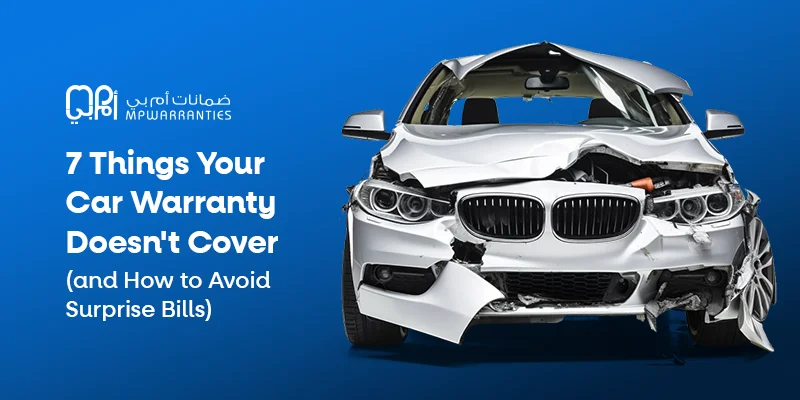
3. Accident Damage Is Covered by Insurance, Not Your Warranty
Many vehicle owners mistakenly contact their warranty provider after an accident, expecting repair costs to be covered. However, warranties and motor insurance serve completely different purposes.
A warranty protects against unexpected failures of covered mechanical or electrical components, while motor insurance covers damage resulting from external events.
For example, if your vehicle is involved in a collision, damaged during flooding, struck by falling objects, vandalised, or affected by fire, these repairs would typically be handled through your insurance company rather than your warranty provider.
Understanding this distinction prevents confusion during stressful situations and allows owners to contact the appropriate provider immediately after an incident occurs.
It's equally important to remember that even minor accidents can sometimes affect suspension components, steering systems, sensors, or advanced driver assistance technologies. These repairs can be expensive, making comprehensive insurance just as important as having reliable warranty protection.
4. Neglect and Poor Maintenance Can Void Warranty Protection
A warranty protects vehicles that are properly maintained, but it cannot protect owners from damage caused by neglect.
Ignoring dashboard warning lights, delaying repairs, driving with insufficient engine oil, allowing the engine to overheat, or continuing to operate a vehicle after a serious fault has developed can all contribute to significant mechanical damage.
If an inspection determines that the failure resulted from poor maintenance rather than a manufacturing defect, the warranty provider may reject the claim.
For example, continuing to drive after an engine overheating warning may cause severe internal engine damage that could have been prevented if the vehicle had been stopped and inspected immediately. Similarly, failing to replace engine oil according to the vehicle repair schedule may lead to premature engine wear, which is generally considered preventable rather than warrantable.
Responsible ownership means addressing minor issues before they become major repairs. Regular inspections, prompt servicing, and immediate attention to warning signs not only improve vehicle reliability but also increase the likelihood that future warranty claims will be approved.
5. Aftermarket Modifications Can Affect Your Warranty
Personalising a vehicle is something many owners enjoy, whether it's upgrading the suspension, installing performance enhancements, or adding aftermarket accessories. While these modifications can improve the vehicle's appearance or driving experience, they may also impact your warranty protection.
Warranty providers evaluate whether a modification contributed to the failure being claimed. If an engine remap increases stress on the powertrain, or an aftermarket electrical accessory causes damage to the vehicle's wiring system, the repair may not qualify for warranty protection. Even modifications that appear unrelated can sometimes complicate the claims process if they interfere with the manufacturer's original specifications.
Before making significant changes to your vehicle, it's always advisable to review your warranty agreement or consult your warranty provider. Understanding what is permitted can help you enjoy your vehicle while avoiding unnecessary complications in the future.
6. Cosmetic Damage Isn't Usually Protected
Although cosmetic damage can affect your vehicle's appearance, it generally doesn't impact its mechanical performance. For this reason, most warranty policies exclude repairs related to normal cosmetic wear.
Scratches from shopping trolleys, small dents caused by parking incidents, chipped paint from road debris, faded trim, worn upholstery, and minor interior imperfections are all considered part of everyday vehicle ownership. These issues naturally occur over time, especially when a vehicle is driven regularly.
Owners who wish to protect their vehicle's appearance often choose specialised paint protection, detailing services, ceramic coatings, or comprehensive insurance policies that include cosmetic repair options. While these services involve an additional investment, they can help preserve the vehicle's condition and maintain its resale value.
7. Not Every Repair Automatically Qualifies for a Warranty Claim
Even when a faulty component appears to be covered, every claim must satisfy the terms and conditions outlined in the warranty agreement.
For example, coverage may not apply if the warranty has expired, the vehicle has exceeded the permitted mileage, repairs were completed without prior authorisation, or the required maintenance history cannot be verified. In some cases, using non-approved repair facilities may also affect eligibility, depending on the policy terms.
Understanding these requirements before a problem occurs is one of the simplest ways to avoid delays or misunderstandings during the claims process. Reading your warranty documents carefully and asking questions whenever you're unsure can save both time and money when repairs become necessary.
How to Avoid Unexpected Repair Bills?
While no vehicle is completely immune to mechanical issues, there are several practical steps owners can take to minimise unexpected expenses.
Following the vehicle’s recommended maintenance schedule is one of the most effective ways to protect your investment. Regular servicing allows technicians to identify small issues before they develop into expensive repairs. Keeping all service invoices and maintenance records is equally important, as they may be required when submitting a warranty claim.
Drivers should also pay close attention to dashboard warning lights and unusual noises. Addressing problems early often prevents further damage and reduces repair costs. Choosing qualified repair facilities, using high quality standard vehicle-approved spareparts where required, and reviewing your warranty terms before approving major repairs can also help ensure your vehicle remains protected.
Taking a proactive approach to vehicle care not only extends the lifespan of your car but also reduces the likelihood of unexpected financial surprises.
Is an Extended Warranty Worth Considering?
As vehicles become more technologically advanced, repair costs continue to increase. Modern engines, sophisticated transmissions, advanced safety systems, sensors, infotainment units, and electronic control modules are significantly more expensive to repair or replace than they were just a decade ago.
Once the vehicle's warranty expires, owners become fully responsible for these repair costs. For many drivers, investing in an extended car warranty offers valuable peace of mind by providing continued protection against eligible mechanical and electrical failures beyond the original warranty period.
An extended warranty can be particularly beneficial for owners planning to keep their vehicle for several years, purchase a pre-owned vehicle, or drive high-mileage vehicles where the likelihood of repairs naturally increases over time.
Rather than worrying about unexpected repair expenses, owners can enjoy greater confidence knowing that many covered repairs may be handled under their protection plan, helping them manage long-term ownership costs more effectively.
Final Thoughts
A car warranty is an important part of vehicle ownership, offering valuable protection against many unexpected mechanical and electrical failures. However, it is equally important to understand its limitations. Routine maintenance, wear-and-tear components, accident damage, cosmetic repairs, neglect, aftermarket modifications, and repairs that fall outside policy conditions are among the most common exclusions that every vehicle owner should be aware of.
By understanding exactly what your warranty includes and what it doesn't, you can make better maintenance decisions, avoid unnecessary repair costs, and reduce the chances of unexpected claim disappointments. Taking the time to read your policy, following the vehicle precision's recommended service schedule, and caring for your vehicle responsibly will help maximise both its reliability and long-term value.
If your vehicle's warranty is nearing its expiry, now is the ideal time to explore protection options that suit your vehicle and your driving needs. Choosing the right warranty solution today can help you avoid costly surprises tomorrow and enjoy every journey with greater confidence.
Protect your investment with a personalised warranty solution from MP Warranty . Our flexible plans are designed to help safeguard your vehicle against unexpected repair costs while providing expert support and dependable assistance whenever you need it.
Contact our team today to discover warranty options tailored to your vehicle and enjoy greater peace of mind on every drive across Dubai and the UAE.